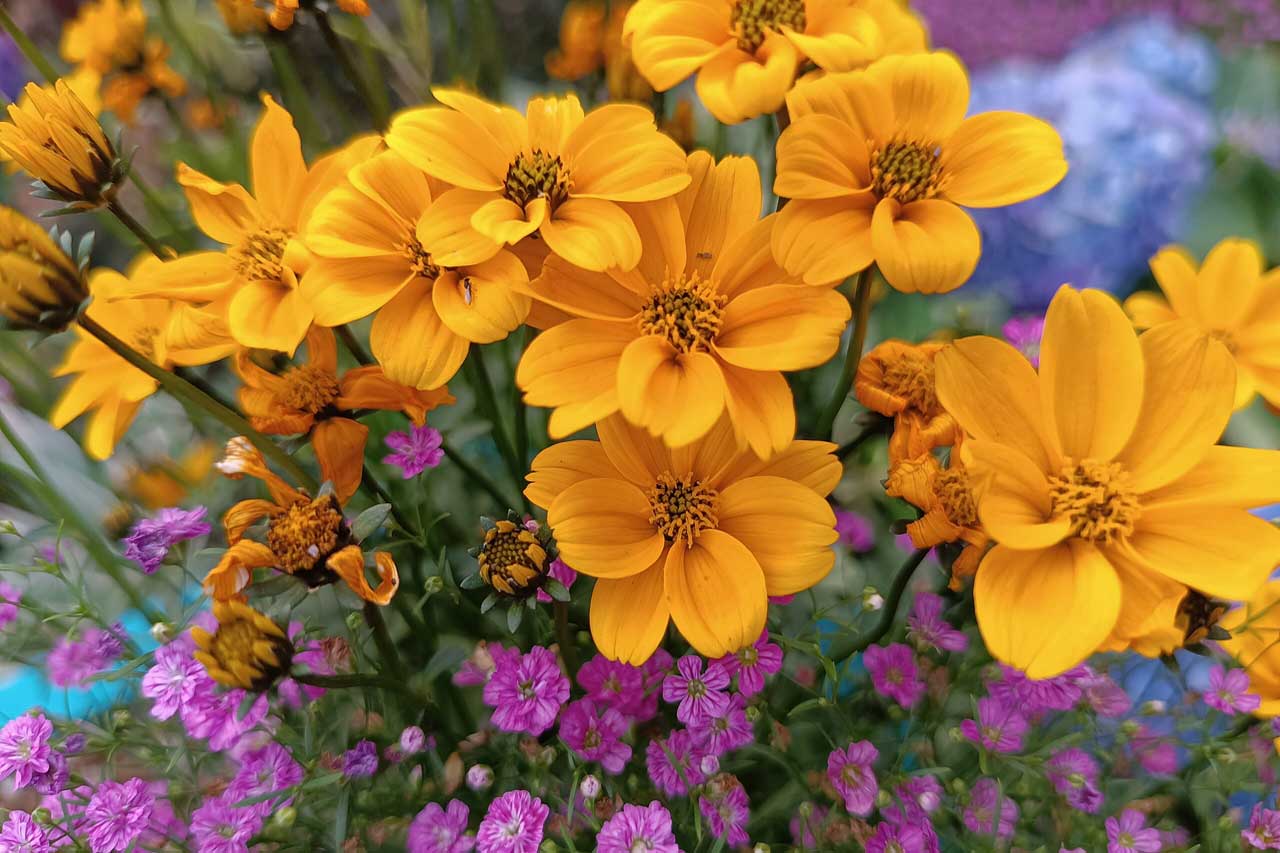
Why Victoria Is Called the Garden City
I’ve lived in Victoria all my life, so the “Garden City” nickname is something I’ve heard for as long as I can remember. It makes sense once you spend time here. You see flowers in Beacon Hill Park, hanging baskets downtown, older gardens in Rockland and Oak Bay, and plenty of ordinary front yards where someone clearly enjoys gardening.
Butchart Gardens gets most of the attention from visitors, but the nickname is bigger than one attraction. Victoria’s mild coastal climate lets people garden for a long season, and public planting has been part of the city’s look for generations.
The Climate Gives Gardeners a Long Season
Victoria sits at the southern end of Vancouver Island, with the ocean moderating temperatures through much of the year. Winters are usually wet rather than severely cold, while summers tend to be dry and moderate compared with many inland Canadian cities.
- Spring starts early compared with much of Canada.
- Snow is usually short-lived when it does arrive.
- Summers are generally dry, so gardens often need regular watering.
- Fall can stay mild, which keeps many plants going later in the year.
In my own yard, there’s usually something showing colour for much of the year. I’m not a serious gardener, but even a fairly simple Victoria garden can have a long season.
Butchart Gardens Put Victoria on the Gardening Map
Butchart Gardens is in Brentwood Bay, north of Victoria. It began in the early 1900s when Jennie Butchart transformed a former limestone quarry into the Sunken Garden. The property later grew to include Japanese, Rose, Italian and Mediterranean gardens. I have a separate Butchart Gardens guide with practical visitor notes and ideas for seeing more of the Saanich Peninsula on the same trip.
I still try to get there from time to time. The Christmas lights are a completely different visit from the gardens in spring or summer, and taking someone who hasn’t been before is a good reminder of why the place has such a strong reputation.
You Notice Gardens in Ordinary Neighbourhoods Too
The part I associate most with the Garden City name is actually residential Victoria. Older neighbourhoods such as Fairfield, Rockland, Oak Bay and James Bay have mature trees, hedges, climbing plants and established front gardens. Newer areas look different, but landscaping is still noticeable throughout Greater Victoria.
Public Gardens and Green Spaces
A few places I regularly mention to people are:
- Beacon Hill Park has formal flower beds, large lawns, mature trees and the peacocks that wander through the park.
- Government House Gardens in Rockland are free to visit and have paths, lawns and planted areas around the property.
- Abkhazi Garden is a smaller garden with a lot of history. It’s a quieter stop than Butchart and easy to combine with time in Fairfield or Oak Bay.
If you’re visiting before a move, these places are also useful for seeing residential parts of Victoria instead of spending the whole trip downtown.
Downtown Hanging Baskets Are Part of Summer
Victoria has been putting hanging flower baskets on downtown lamp posts since the 1930s. By early summer they’re hard to miss along many central streets.
I always notice when the baskets first go up in June, which also happens to be my birthday month. For me, that’s usually the point when downtown starts to feel like summer again.
Gardening Shows Up in Community Life
Plant sales, garden clubs, neighbourhood gardens and school fundraisers are common around Greater Victoria. There’s also the annual Victoria Flower Count, which is a light-hearted way for locals to count blooms while much of Canada is still dealing with winter weather.
If you like gardening, it’s easy to find people who know what grows well here. Local nurseries also tend to have good advice about deer, dry summers, shade, coastal wind and the other practical issues that come with gardening on southern Vancouver Island.
The Nickname Has Been Around for Generations
Victoria’s gardening reputation developed over a long period rather than through one modern tourism campaign. British garden traditions influenced many early residential and public landscapes, and later generations kept adding their own plants, parks and approaches.
Today you’ll see formal English-style gardens beside native plantings, vegetable beds, Garry oak habitat and low-water gardens. The city’s gardening style isn’t one single look anymore.
What I’d Notice Before Moving Here
If you’re considering a move to Victoria and gardens matter to you, look beyond the visitor attractions. Walk a few residential streets in the neighbourhoods you’re considering. Notice the mature trees, how much sun different properties get, and how gardens change from the wetter west side of the region to the drier areas closer to the city.
A larger yard can be a bonus, but it also means more work through a long growing season. Condo buyers may care more about nearby parks, community gardens or a balcony with enough sun for pots and planters.
You can also read my Victoria flower garden notes for a closer look at what blooms through the year.
Why the Garden City Name Still Fits
For me, the name fits because gardening isn’t confined to Butchart Gardens. It shows up in public parks, downtown baskets, boulevard plantings and the front yards I pass every day.
If you’re visiting Victoria before deciding on a move, take a walk through a few neighbourhoods in spring or early summer. You’ll get a much better sense of the Garden City nickname than you will from a slogan.
If you’re starting with the bigger picture, my What is Victoria BC known for? page connects the Garden City name with the harbour, coastline, Chinatown, Mile 0 and other parts of Victoria.
You can find more local moving and neighbourhood information on Moving To Victoria BC.